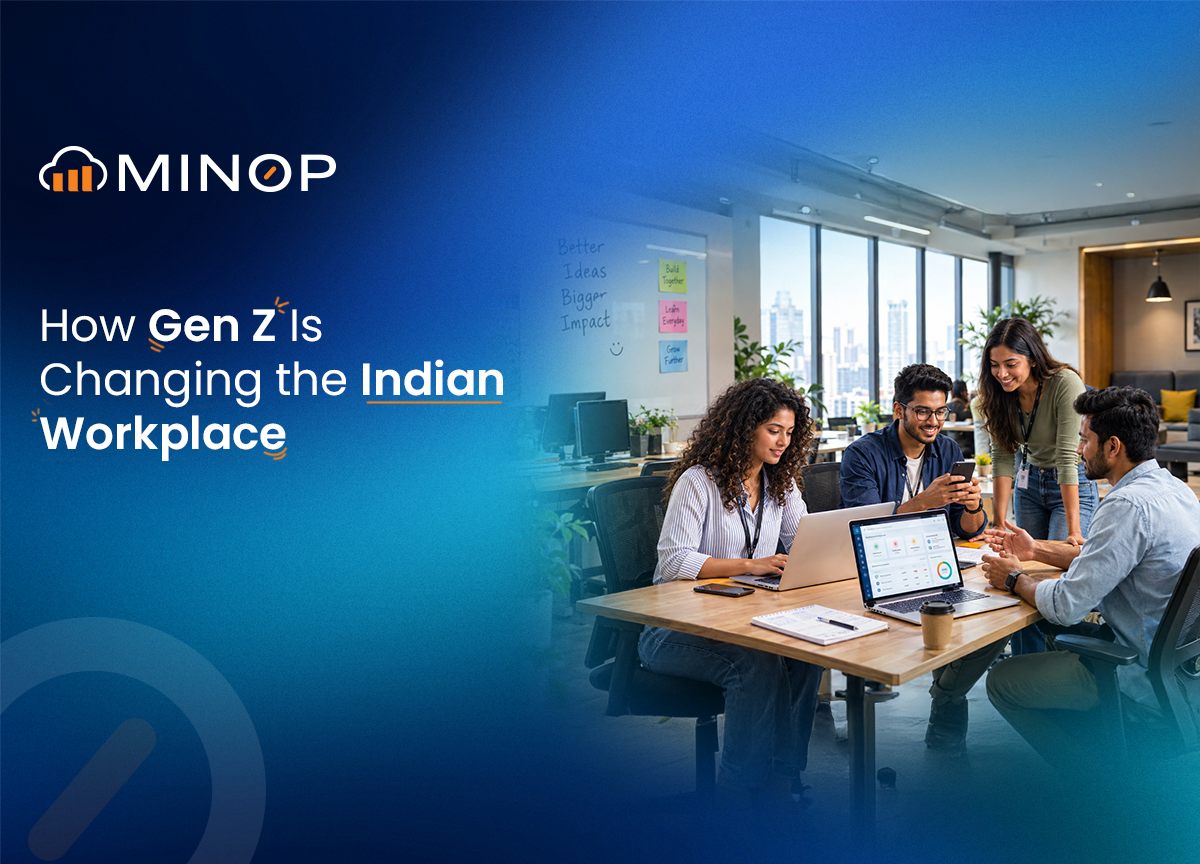
Entering the workforce amid rapid technological disruption and economic shifts, Gen Z views employment through a pragmatic lens. They do not view a job offer as an act of patronage; they view it as a mutual contract between two equal parties. When senior leadership assumes a competitive salary and an impressive brand name will guarantee an acceptance, they often find themselves met with polite declines or ghosted offers.
Understanding what Gen Z expects from a job requires leadership to look past generational stereotypes and examine the actual operational standards younger professionals demand before signing an offer letter.
Radical Pay Transparency Over Obscure CTC Numbers
Previous generations often tolerated ambiguous compensation packages, discovering take-home pay only after their first direct deposit. Gen Z enters recruitment cycles with financial pragmatism. Having witnessed inflation and volatile cost-of-living increases, they demand mathematical clarity before making a commitment. Vague annual package figures inflated by conditional retention bonuses, non-guaranteed incentives, and ambiguous medical deductions immediately trigger scepticism.
Leaders who succeed in hiring younger professionals present an unambiguous CTC meaning and salary breakdown up front. They explain exactly what portion of the number is guaranteed, how tax deductions function, and how increments are determined using measurable standards rather than discretionary management goodwill.
Evidence of Work-Life Boundaries, Not Ping-Pong Tables
Perks like gaming areas, office snacks, and post-work mixers no longer compensate for systemic overwork. Gen Z distinguishes between superficial cultural perks and genuine institutional well-being.
Before accepting a role, candidates evaluate the reality of working hours asking, “Will a nominal 9-to-6 schedule quietly expand into mandatory late-night messaging and weekend emails?” or, “Does the organization enforce fair guidelines like structured casual leave policies, or do supervisors penalize employees for taking scheduled time off?”
While during this AI-phase, it’s very common but they might also want to know, “Is workload distribution managed proactively, or is the team suffering from the silent crisis of employee burnout?” For this generation, protecting mental well-being is not a lifestyle preference; it is a baseline employment criterion.
Seamless, Modern Workplace Tools
Gen Z has grown up with intuitive digital interfaces. Forcing them to navigate legacy enterprise software, paper-based expense slips, or manual attendance rosters signals an organization resistant to modernization.
When daily tasks require clunky workarounds, younger workers see unnecessary administrative friction. They expect systems to submit attendance adjustments through a straightforward miss punch regularization process on their phone rather than filling out physical logbooks. Or clock in seamlessly through modern self-attendance apps with geofencing or contactless facial recognition terminals so that they can access shift schedules, time-off balances, and tax slips without having to track down HR personnel.
Skills-Based Evaluation Over Performative Hiring
Gen Z candidates possess little patience for outdated interview rituals. Lengthy hiring loops with speculative brainteasers and repetitive questions signal inefficient internal decision-making.
Younger professionals respond to transparent, capability-driven hiring models. They look for employers who embrace skills-based hiring and evaluate tangible output rather than academic pedigree or years in a seat.
Furthermore, during interviews, they actively evaluate the interviewer. When senior leadership abandons outdated recruiter questions in favour of candid discussions about business problems, project scope, and technological toolkits, offer acceptance rates rise substantially.
Continuous Feedback and Tangible Growth Pathways
The traditional annual appraisal cycle feels disconnected to a generation accustomed to real-time information. Gen Z does not want to wait twelve months to learn where their performance stands or whether their contributions are valued.
Before saying yes, they look for proof of internal career momentum and read about their soon-to-be managers who serve as coaches and facilitators rather than authoritarian gatekeepers. They expect transparent compensation progression using standardized appraisal letter formats and clear performance criteria. Lastly, work environments where operational wins are acknowledged consistently, proving that employee appreciation is an active retention tool.
Bottom Line
Winning top Gen Z talent does not require dismantling business standards or capitulating to every trend. It requires aligning recruitment with transparency, operational efficiency, and respect for individual time. When companies strip away administrative opacity, automate operational friction, and provide clear paths for personal development, securing a "yes" from the next generation ceases to be an uphill battle.
Frequently Asked Questions
Pay transparency can be particularly important to Gen Z candidates because they may want to understand how a stated CTC translates into fixed pay, variable compensation, deductions, and expected take-home pay. Clear compensation structures help candidates compare offers based on predictable earnings rather than headline CTC alone.
Lengthy recruitment processes, repeated interview rounds, unclear timelines, and delayed communication can increase the risk of losing strong Gen Z candidates. A clear process, defined timelines, and timely updates can make the recruitment experience easier to navigate.
No. Flexibility does not necessarily mean fully remote work. Gen Z candidates can value a mix of remote and in-office work, depending on their role and preferences. What matters is having a clear reason for workplace requirements and enough flexibility to support different ways of working.
Employers can make career growth clearer by defining role expectations, progression paths, skills requirements, and opportunities for learning. Regular conversations about development can also help employees understand how their current work connects to future roles.
Clear and timely communication helps candidates understand where they stand, what to expect next, and when decisions are likely to be made. Defined timelines and regular updates can reduce uncertainty throughout the recruitment process.